Torre Vaia

Architecture
Milan 2020
Added values
Mass timber
Biophilia
Flexibility
Torre Vaia

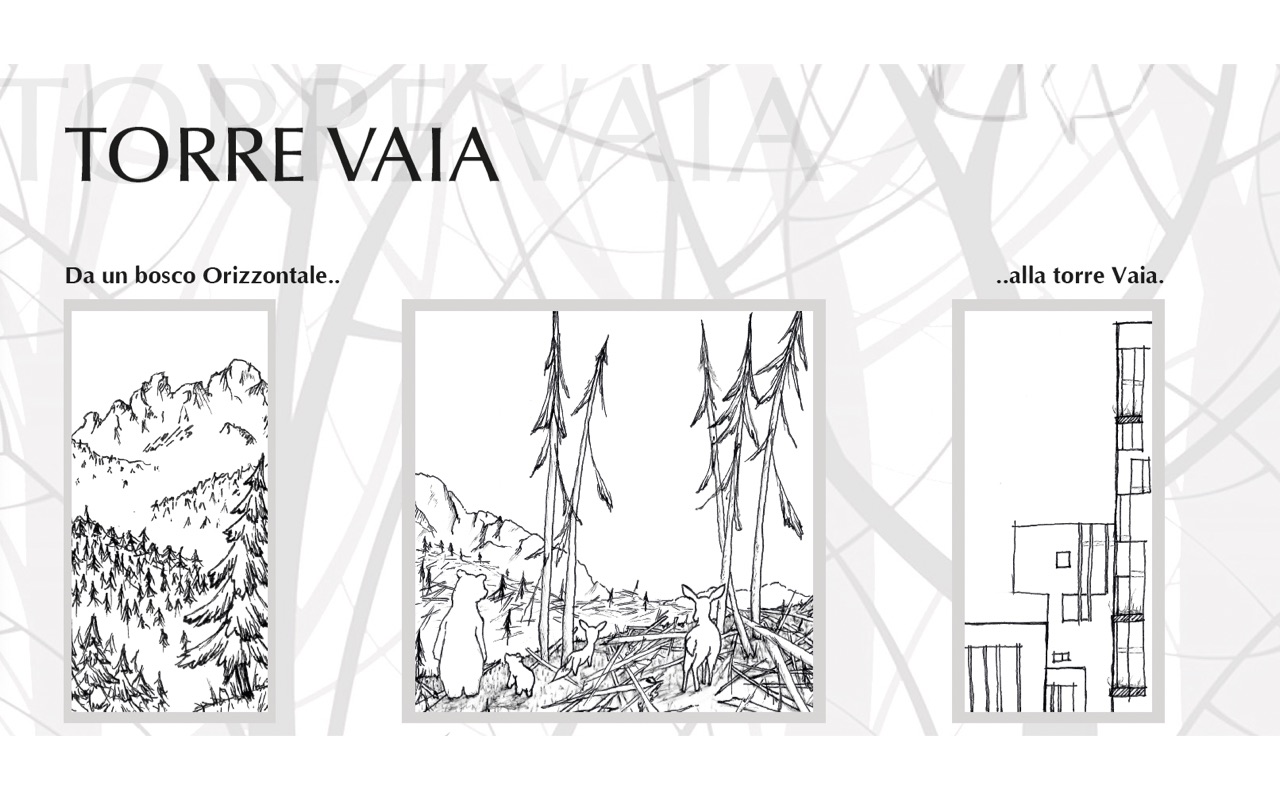
From the horizontal forest…
to the VAIA Tower

In October 2018, a fierce Atlantic storm, carried by scorching sirocco winds, swept across the Alps, felling millions of trees and laying waste to vast stretches of alpine forest. Storm Vaia claimed the lives of 14 million trees across 41,000 hectares—an unimaginable loss, equal to decades of human logging in just a few hours. It will take many decades before these majestic forests can heal and reclaim their ancient beauty.


Walking beside thousands of trees felled by the devastating Vaia storm,
the idea is born: to transform an immense tragedy, one that weeps tears of resin…
…from a cemetery of horizontal bodies into a new building, a symbol of sustainability and rebirth.
A metaphor for life itself, which from its deepest and most painful defeat
finds the strength to rise again, stronger and more beautiful than before.

M. Elisabetta Ripamonti Architect
 

More about

THE PROJECT

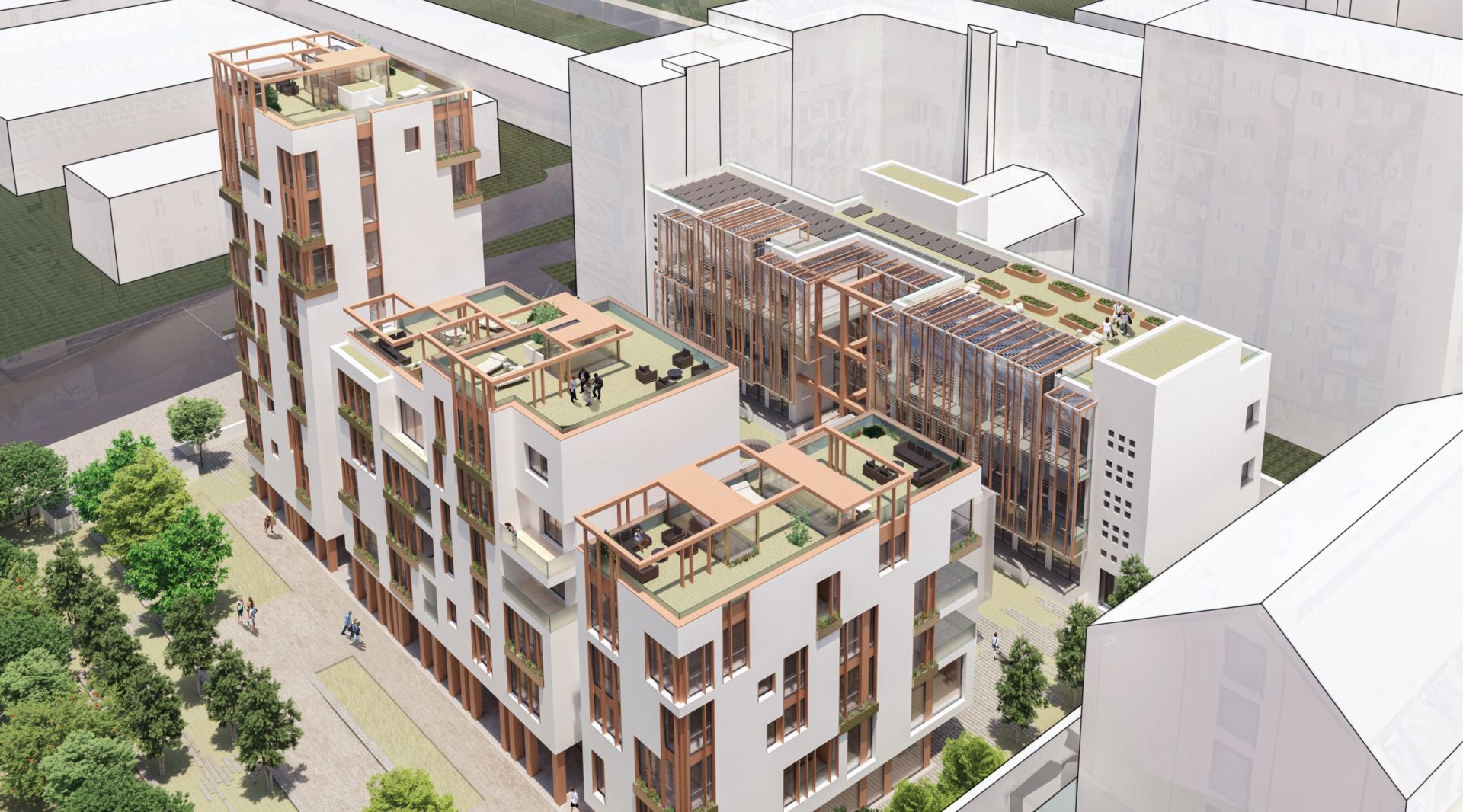
The project area is enclosed by Via Pompeo Leoni, the railway line running through the Scalo di Porta Romana, and the surrounding existing urban fabric.
The design envisions a comprehensive reconfiguration of the site’s morphology.

THE TOWER

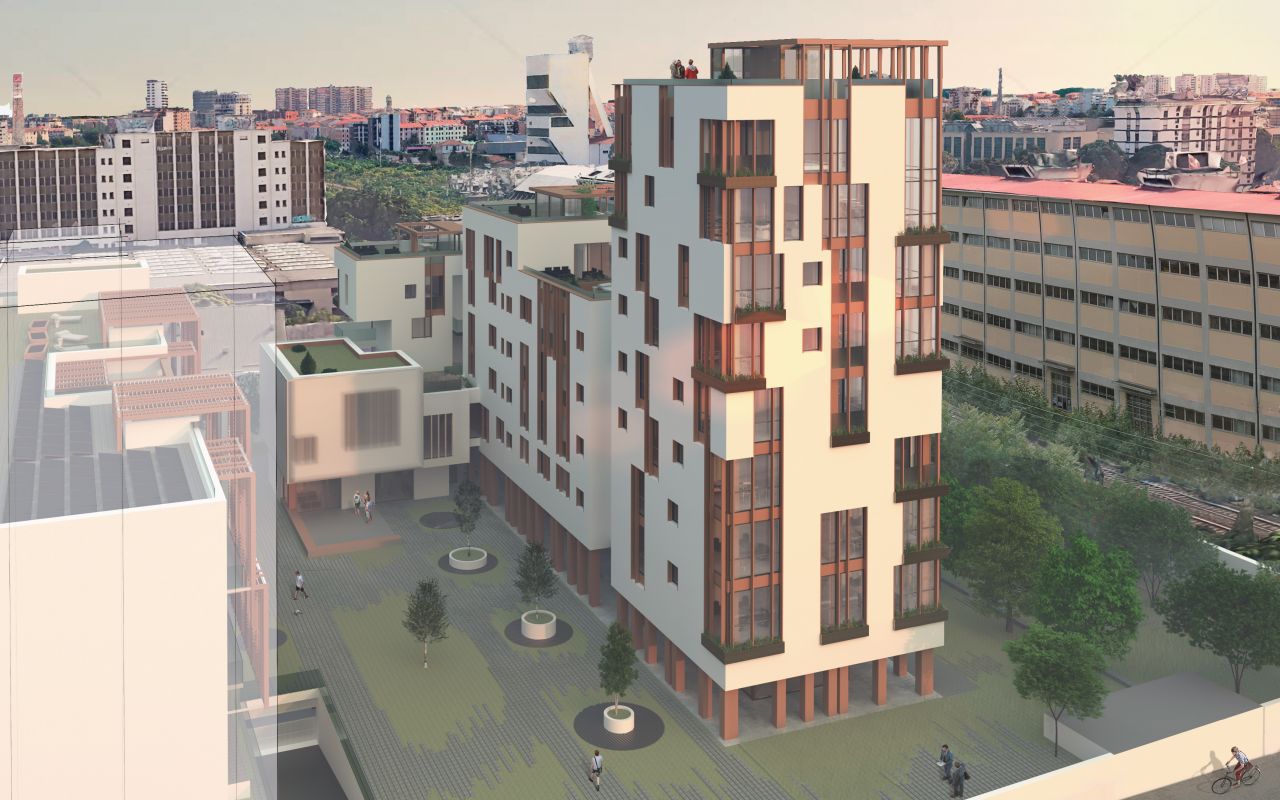
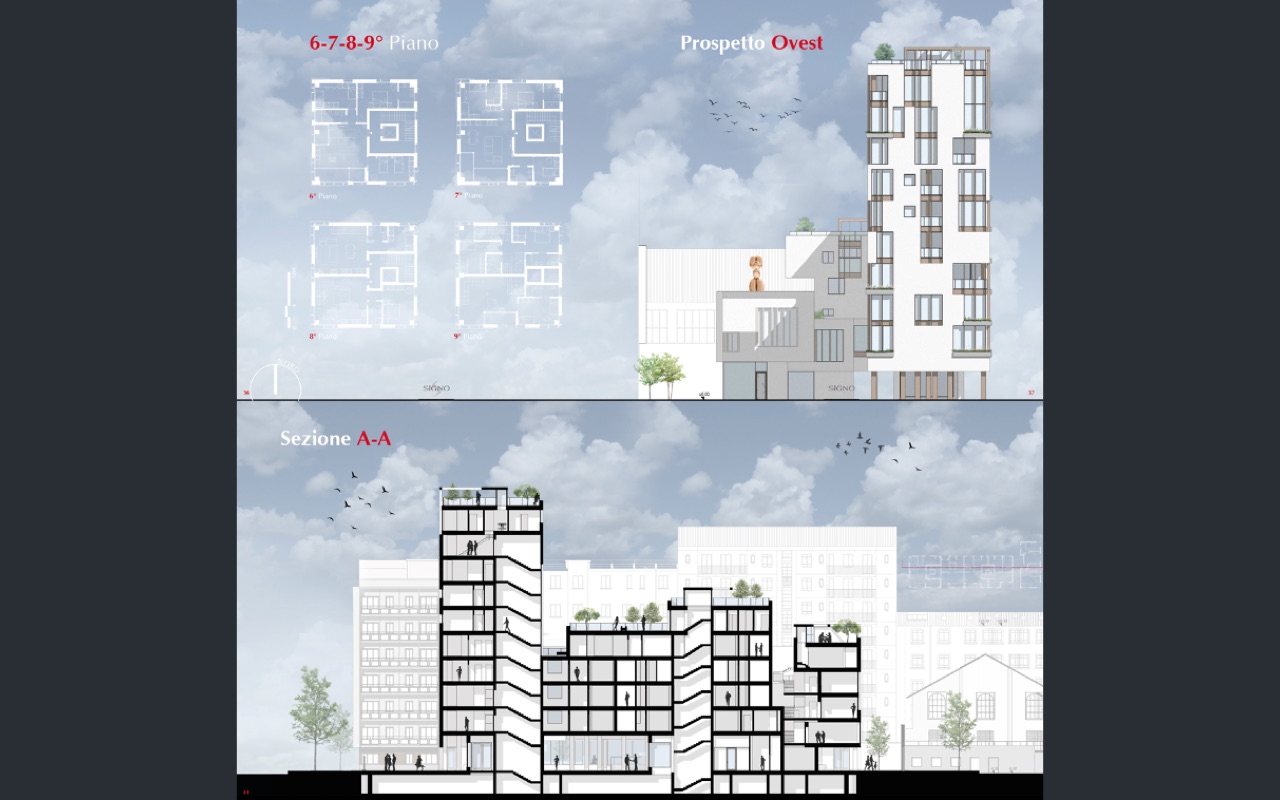
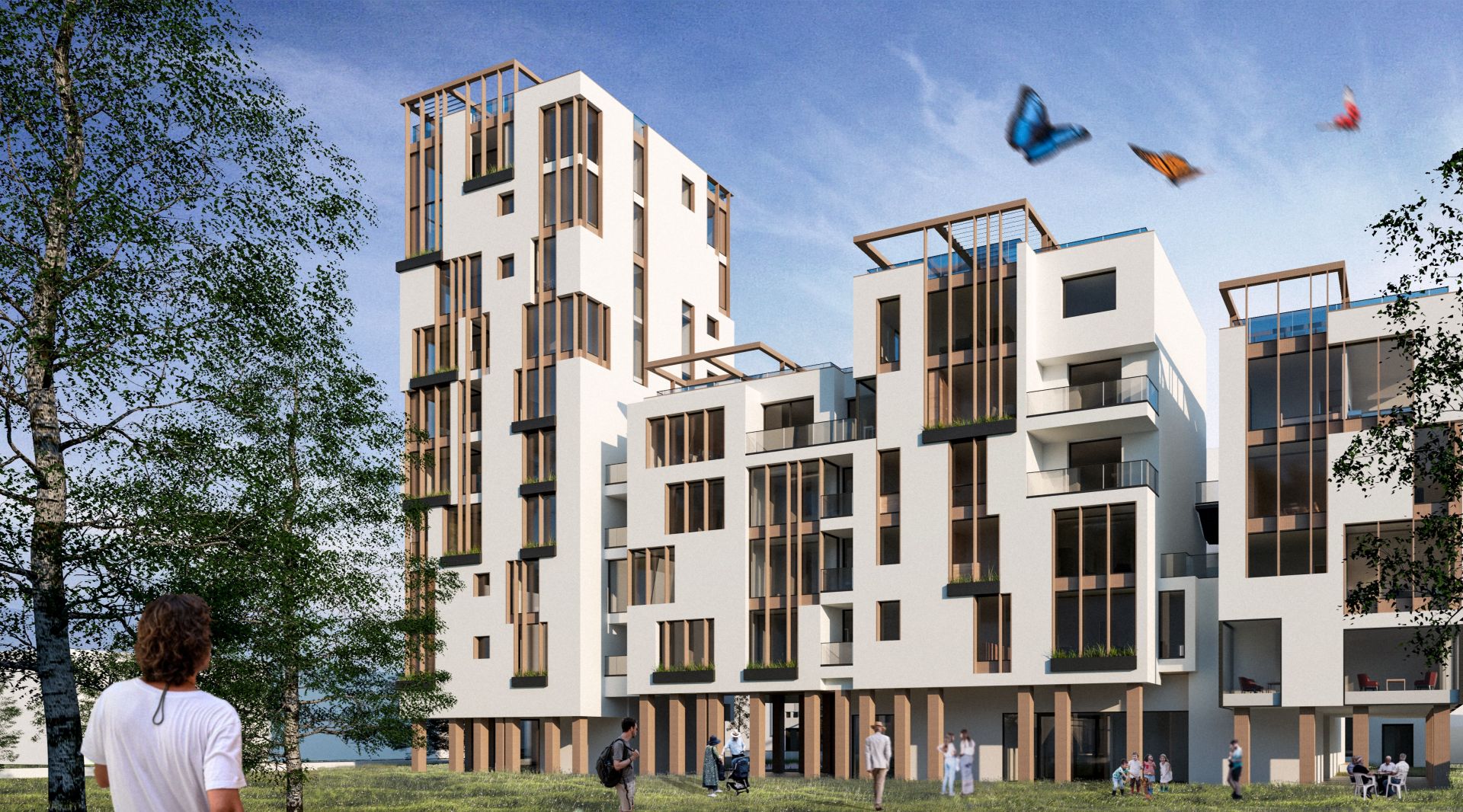
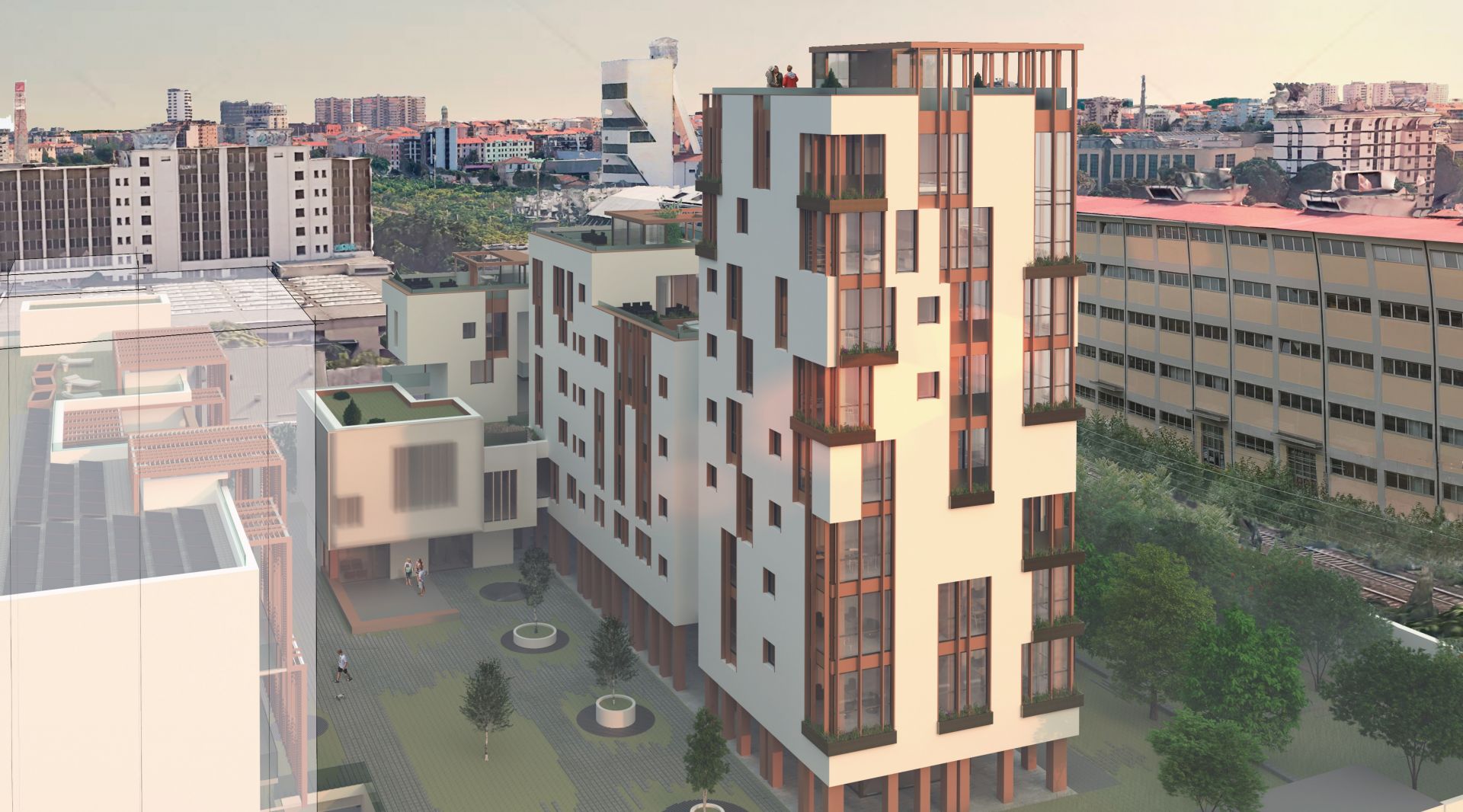
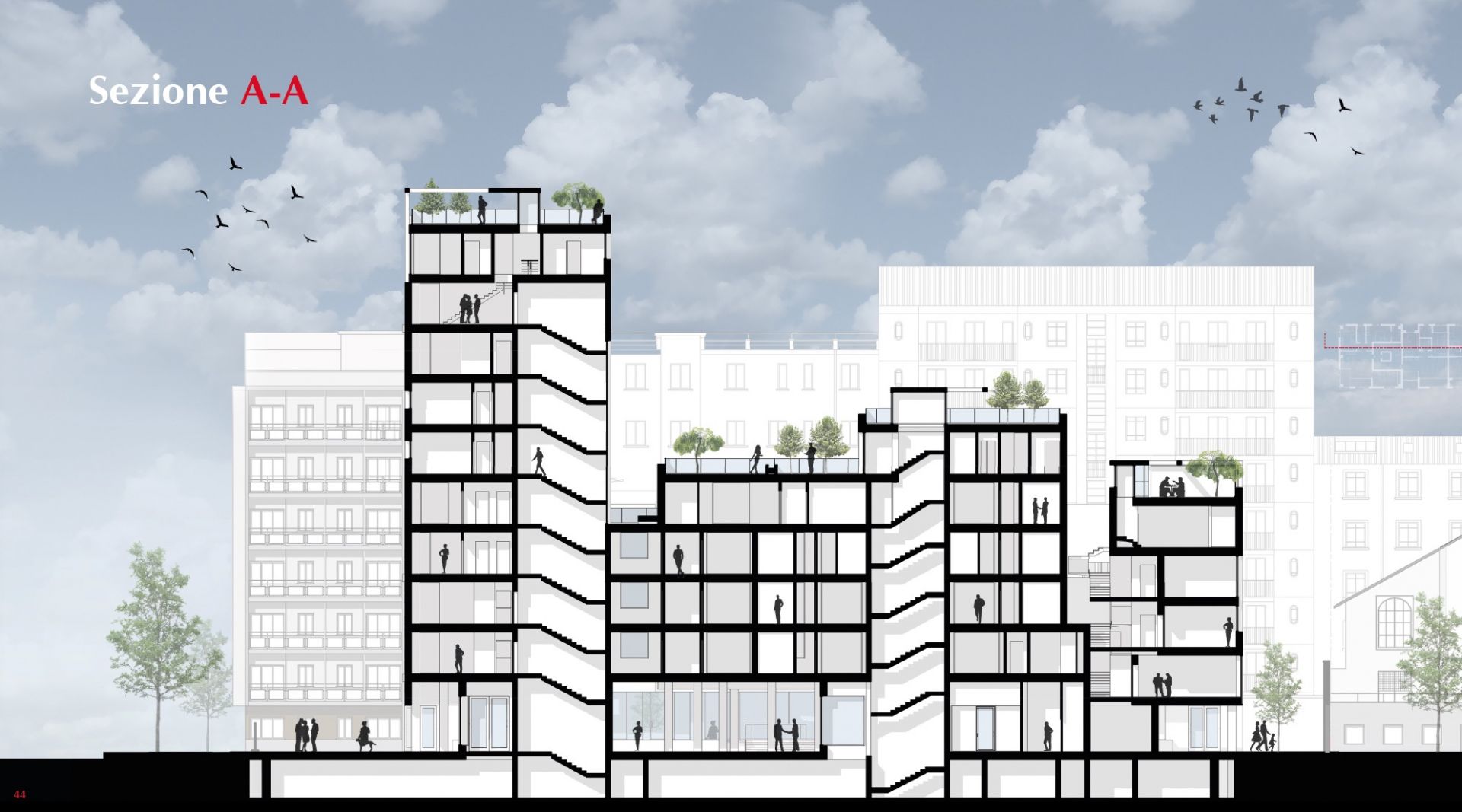
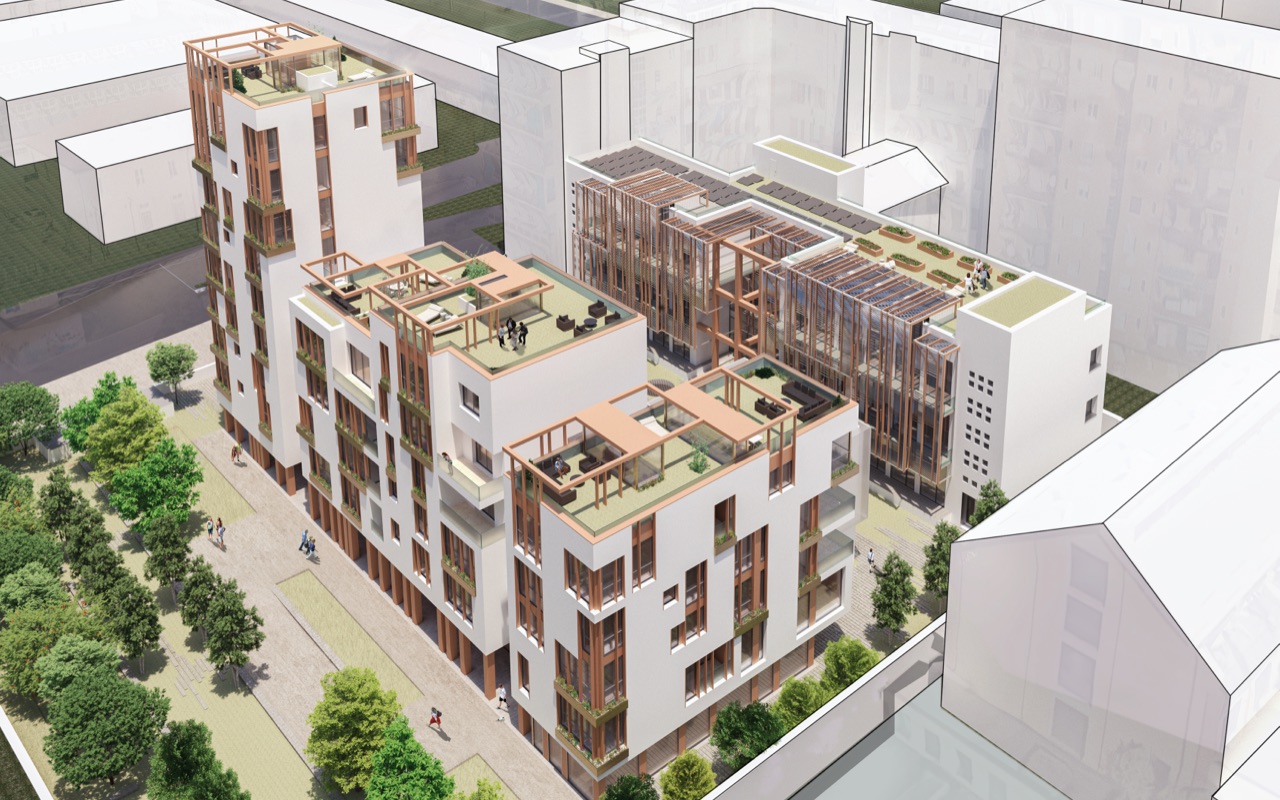
A nine-storey tower defines the western portion of the new building along Via Pompeo Leoni, establishing a dialogue with the residential buildings overlooking the Park of Industrial Memories, located beyond the railway line.

A Contemporary Courtyard

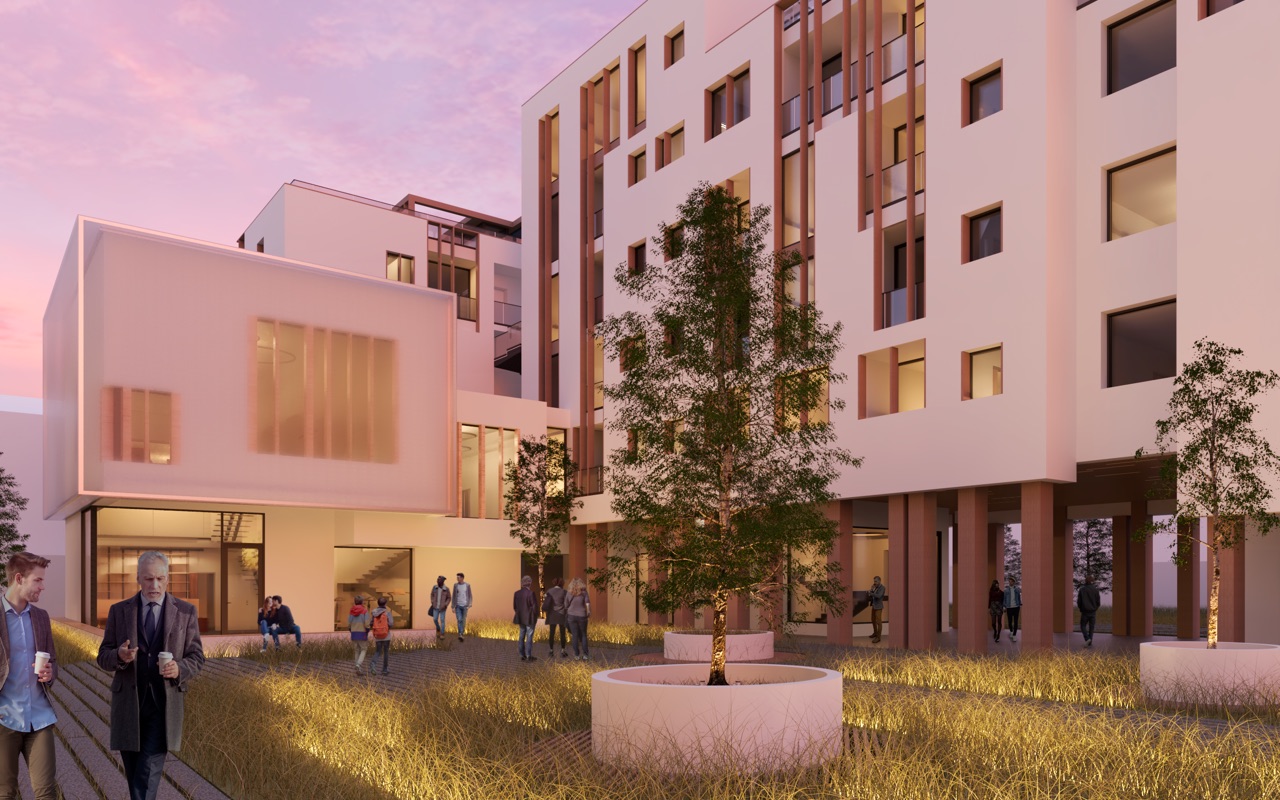
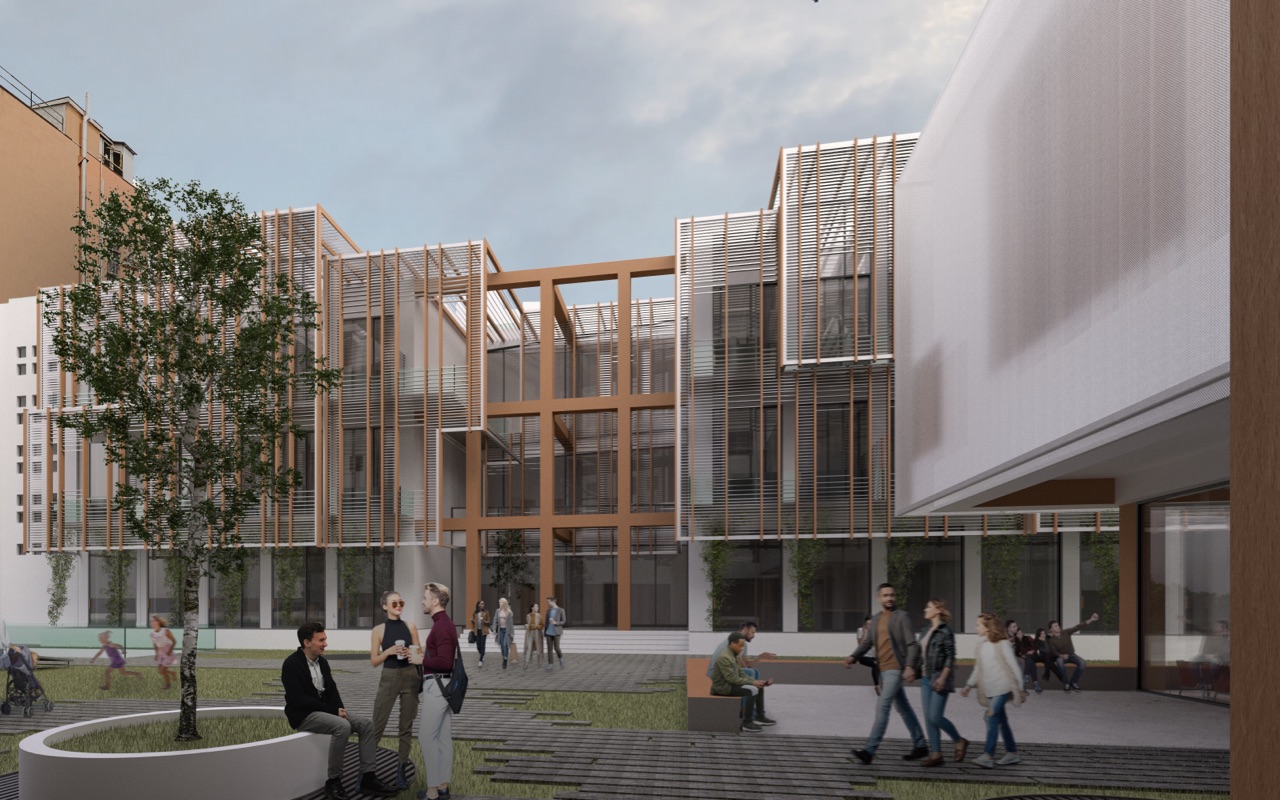
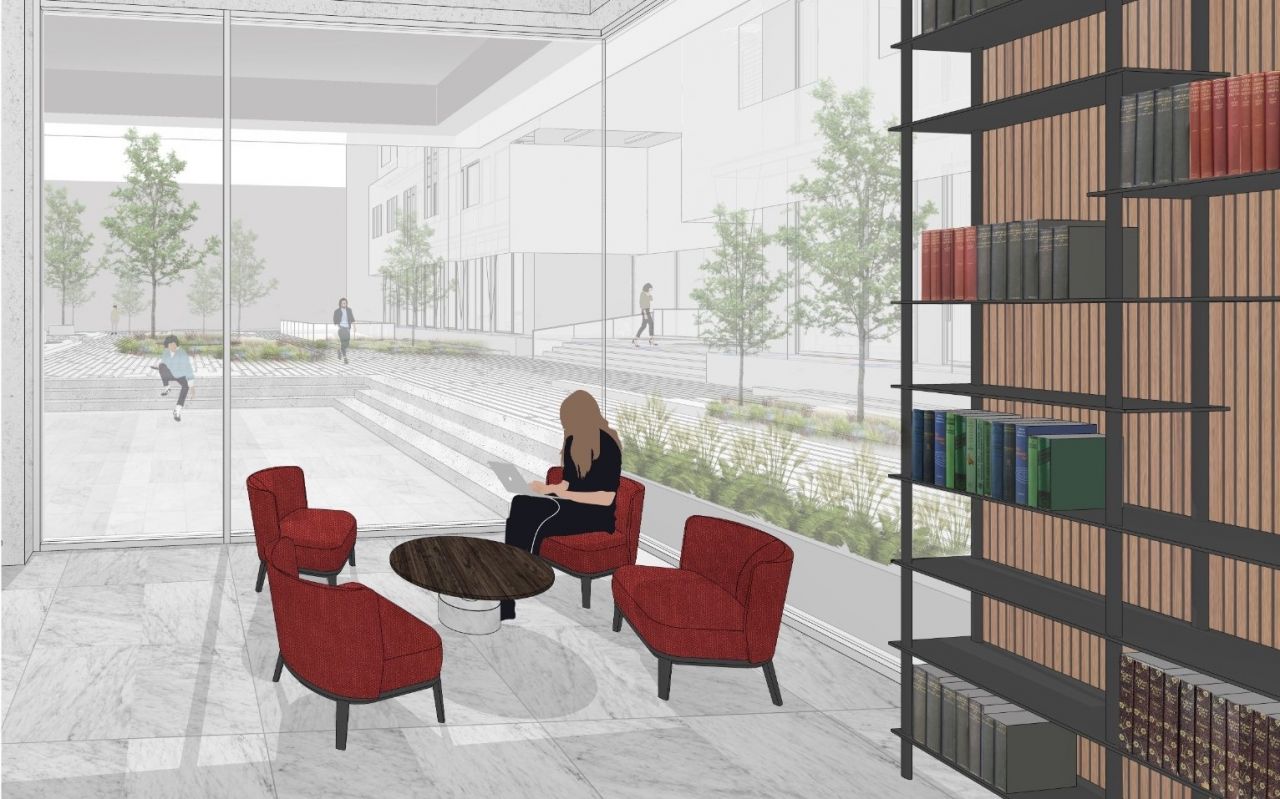
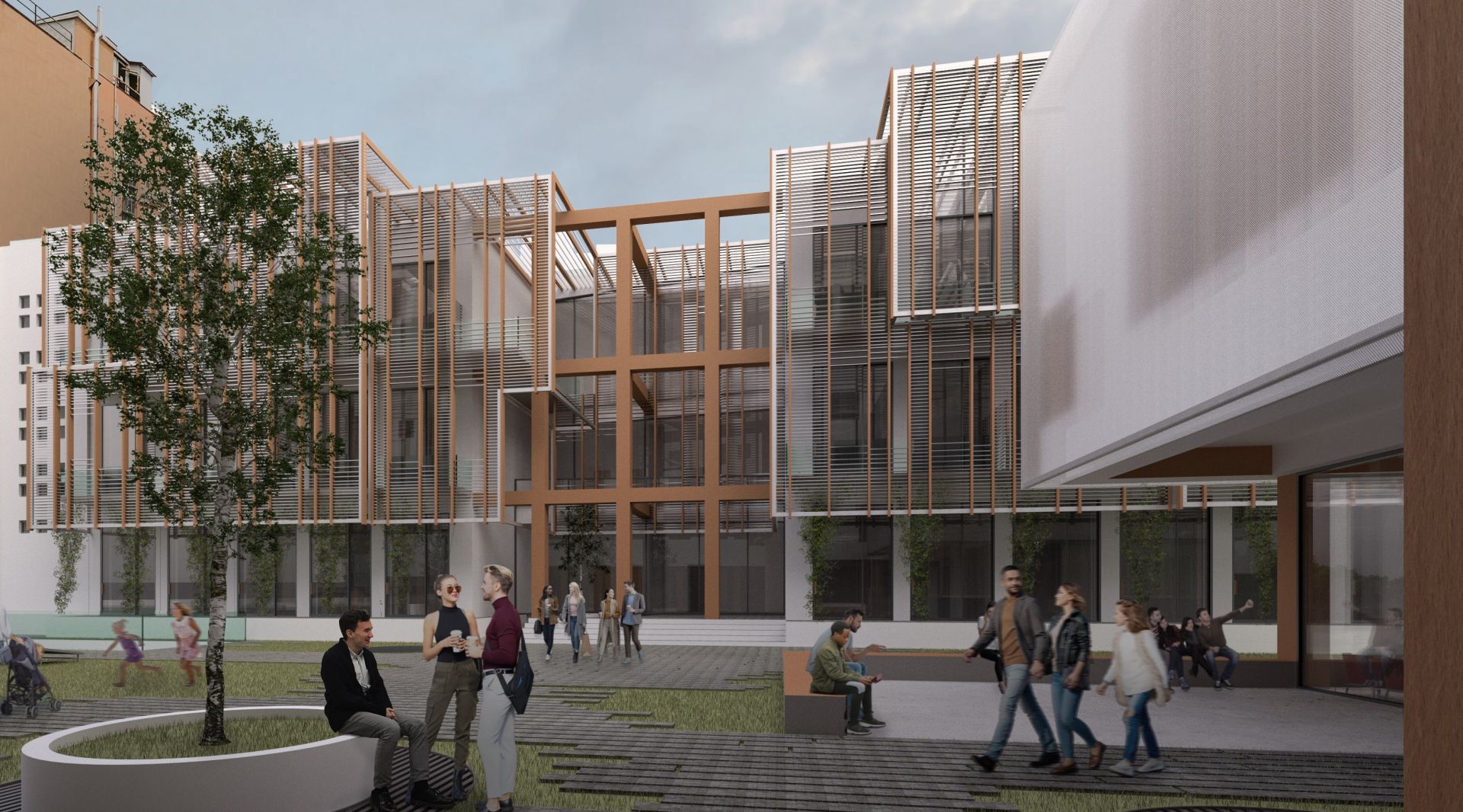
A fundamental feature of the proposed settlement system is the open communal space, located in a central position within the built-up area. This space takes the form of a modern courtyard, with a precise placement and significance within the overall structure of the settlement. The courtyard serves as a connecting element between the public space of the street and the private realm of the houses, fulfilling both collective and private functions.

More about

THE PROJECT

In recent decades, advances in wood technologies and industrial processing have transformed its appearance and enhanced its quality, giving it structural performance very similar to that of reinforced concrete and steel.
This opens up new opportunities for timber architecture.

The construction system chosen for the project is “solid wood” or “mass timber.”
The engineered timber approach allows for optimal performance in thermal, seismic, and acoustic aspects, while also ensuring fast construction times and great design flexibility.

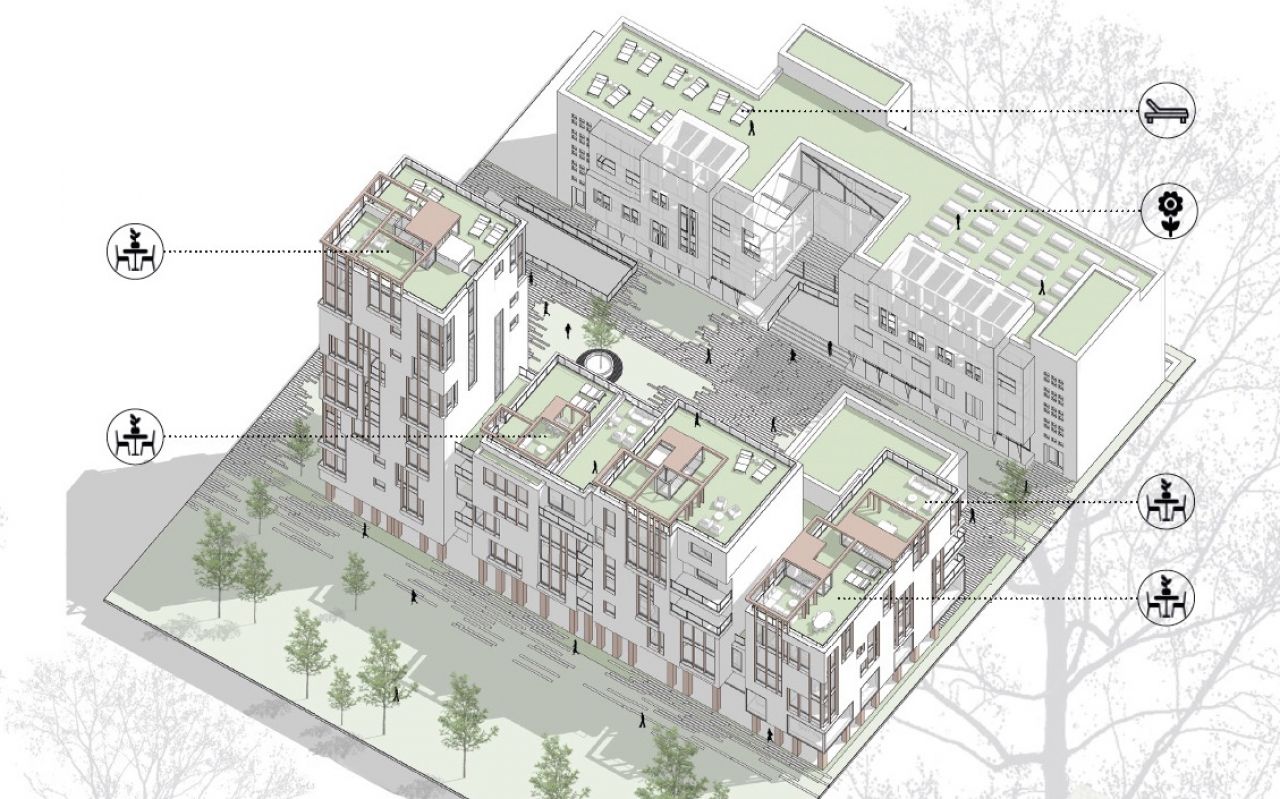
The new building extends along an east-west axis, parallel to the railway line, and is articulated into three building volumes with varying heights.
The use of pilotis on the ground floor allows visual permeability and passage from the central square to the green area running alongside the railway, which becomes an urban park.

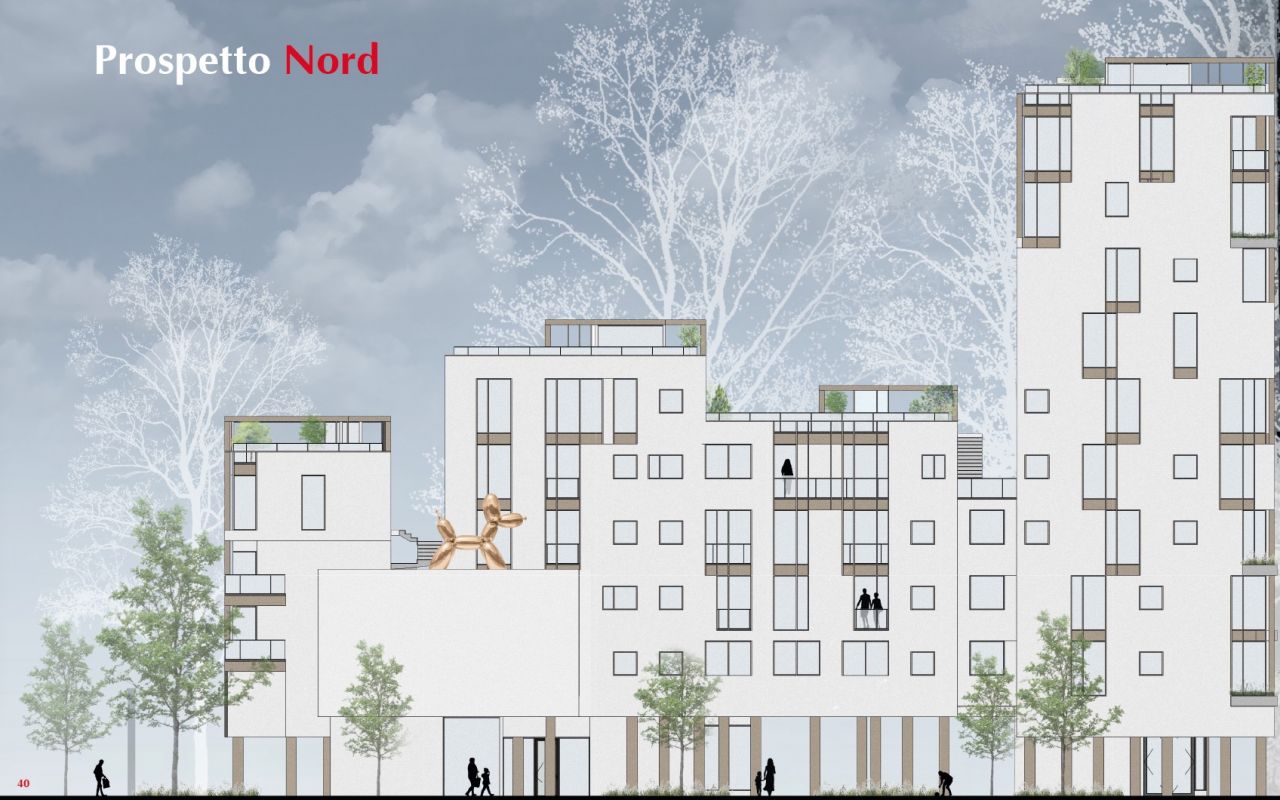
The façade design plays a fundamental role in unifying the building fronts through the use of a single material: wood.
Used as a structural element for the shading system of the northern building, wood also serves as a load-bearing element from the pilotis at the base up to the pergolas on the roof, for both the tower and the southern building block.

The use of wood in the load-bearing structure, from a sustainability perspective, means employing a renewable and abundant material, sourced from certified forests, and playing a key role in climate protection.

More about

The environments

THE ATELIERS
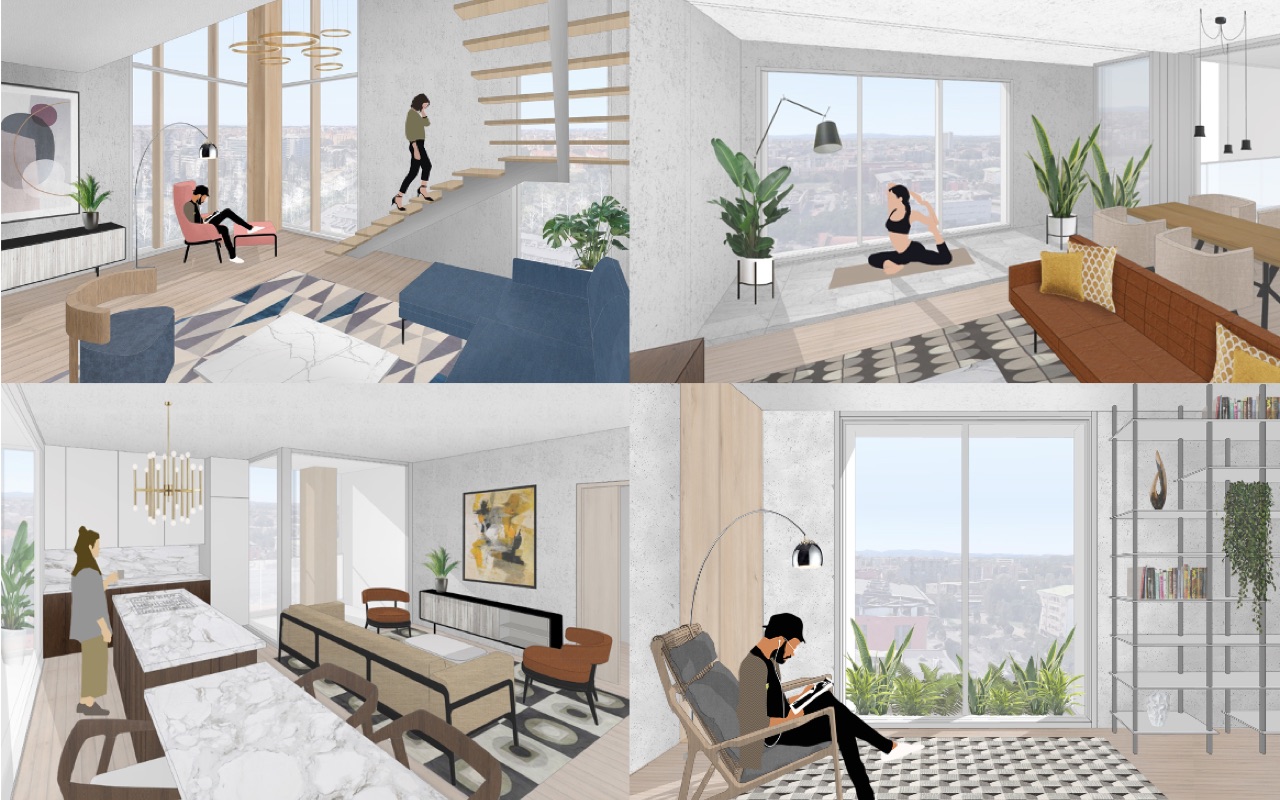
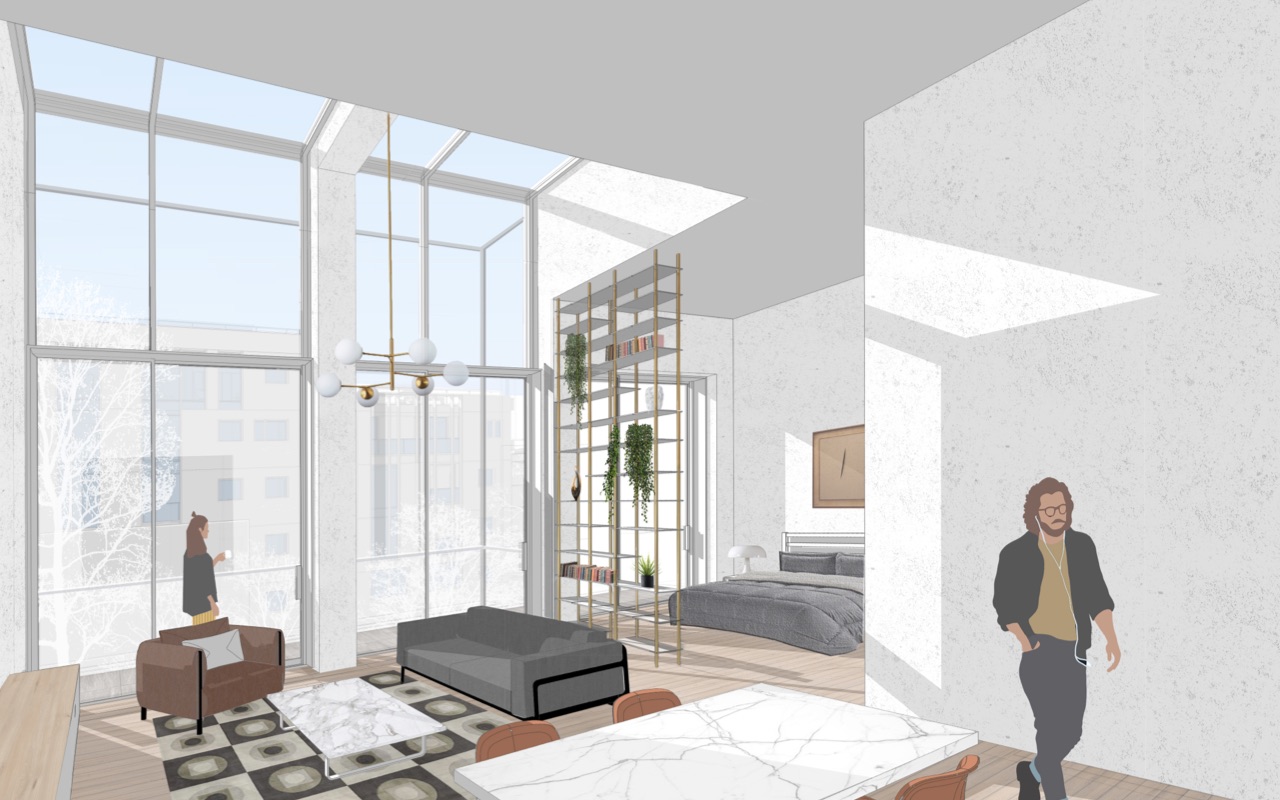
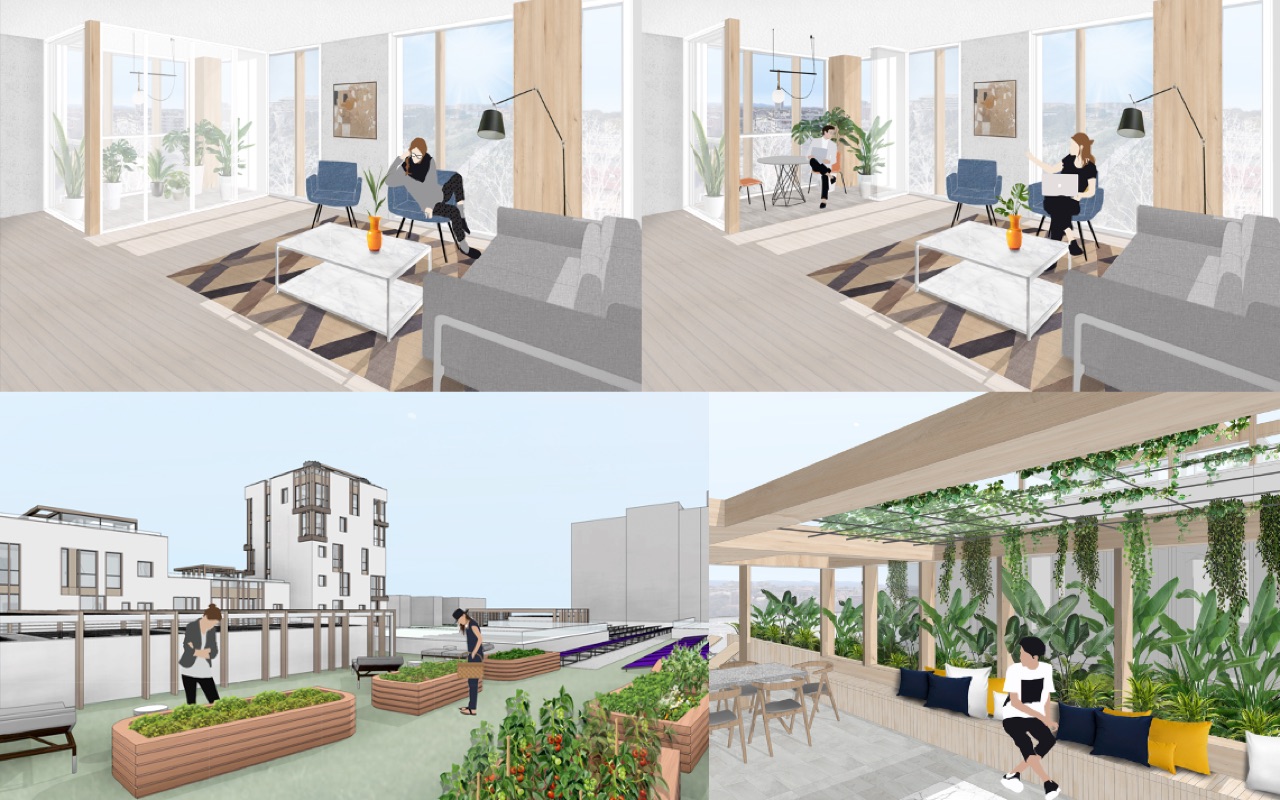
The aesthetic character of the two buildings is defined not only by the wooden elements but also by large glazed openings, which create a dialogue between the interior spaces—designed as small “ateliers”—and the external views for all residential units.

Common Spaces
A centrally located communal building houses a book bar, a gym, spaces for edutainment, and an outdoor cinema area.

INTERIORS
On the upper floors, the double-height apartments can reach the rooftop gardens.
The creation of spaces that function as actual greenhouses on the façade of the southern building, along with the addition of matte copper planters on the façades of both buildings, allows greenery to be fully integrated into the matrix of solids and voids of the façade.

BIOCLIMATIC GREENHOUSES
Each apartment features a balcony and south-facing openings. These spaces function as bioclimatic greenhouses, with different uses throughout the seasons. They provide a significant thermal contribution as well as a pleasant outdoor extension.

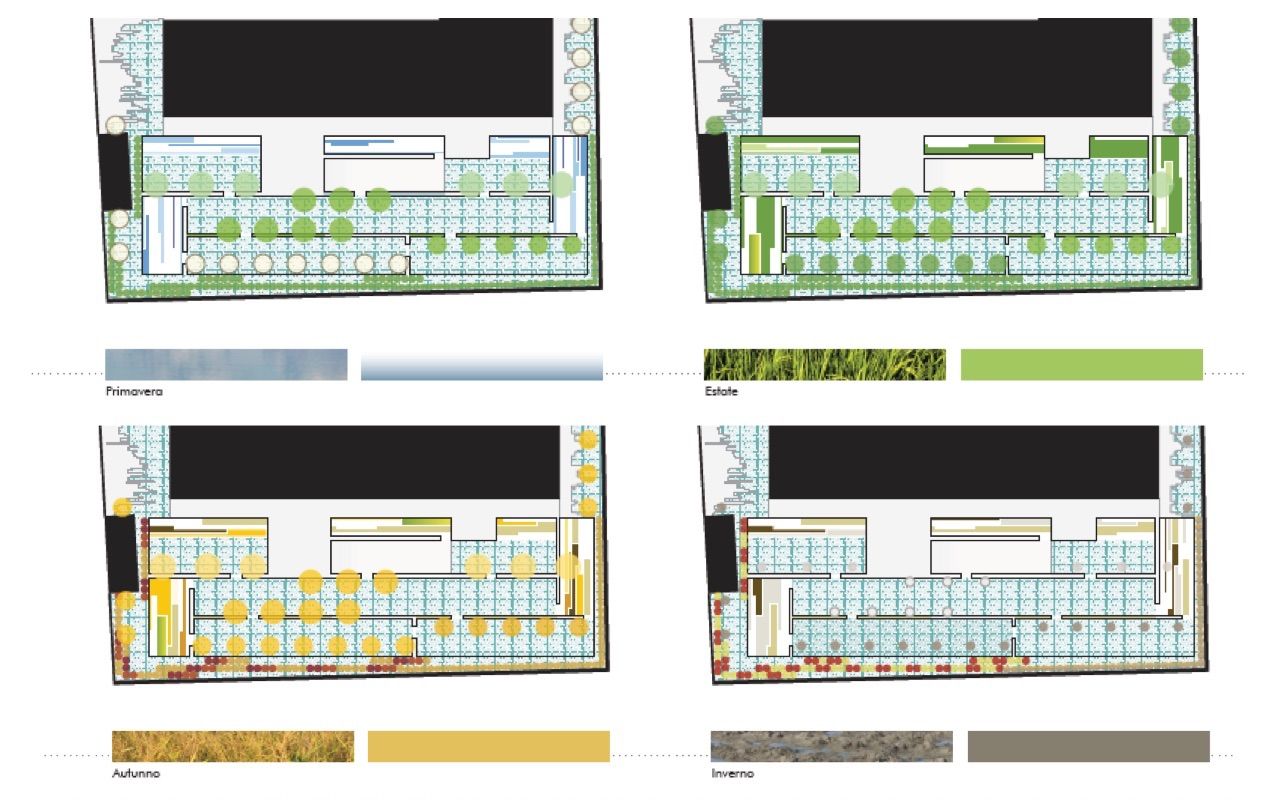
HYDRAULIC INVARIANCE AND THE COLORS OF THE RICE FIELDS
Green pockets, with pleasing seasonal colors, become retention basins that help mitigate damage during heavy rains, once again turning a challenge into a joyful and inspiring design opportunity.
The large green area running parallel to the railway is conceived as a system of small basins, evoking the historical memory of the rice fields located south of the Milanese metropolis.

The project involved collaboration with Eng. Simone Lomuoio
HYDRAULIC INVARIANCE PROJECT – Studio Dr. Alessandro Nicoloso
ACOUSTICS PROJECT – Studio BGN di A. Milani e L. Romanò
BUILDING SYSTEMS PROJECT – Engineering Srl
GEOLOGICAL ANALYSIS – Dr. Nicola Valsecchi

Project submitted to the Municipality of Milan in April 2021

More from our projects
Concept Store Senfter
Concept store

Concept Store Senfter

Concept Store Senfter
Pusteria Residence
Architecture

Pusteria Residence

Pusteria Residence
All projects